
The Unspoken Close: Sales, Body Language & Persuasion Insights

I Cross the World to Study What People Never Say
Persuasion changes across cultures—but the ancient human mind beneath it does not. After studying communication from Greece to Tanzania and beyond, I’m heading to Japan to explore what restraint, hierarchy, silence, and subtle body language reveal. I expect to return with answers—and even better questions.

A Real Life Lesson On Freeze, Flight, and Fight
A solo hike deep in the Sedona desert turned into a real-world lesson in body language, fight-or-flight responses, pupil dilation, attention, and the power of pattern interrupts.

Cialdini’s Influence Techniques Are Already Working on You
You’re being influenced every day—often without realizing it. Discover how Cialdini’s seven principles shape trust, decisions, sales, negotiations, and everyday behavior.

9/11 Heroes and the Psychology of American Unity
After visiting the 9/11 Memorial & Museum, I reflected on the heroes who ran toward danger and the extraordinary unity that followed. Their courage showed how powerful we become when “me” becomes “us.”

Blink Rate: The Best Body Language Cue You’re Missing
Blink rate may be the most revealing body language cue you’re missing. Learn how faster blinking can signal rising stress, slower blinking can reveal intense focus, and one simple observation can transform every conversation.
Ferdinand Demara: Confidence Is Perceived Before Competence
Ferdinand Waldo Demara deceived institutions by projecting confidence he had not earned. His story reveals how easily confidence can be mistaken for competence—and what ethical professionals can learn about using body language, composure, and communication to make genuine expertise visible.
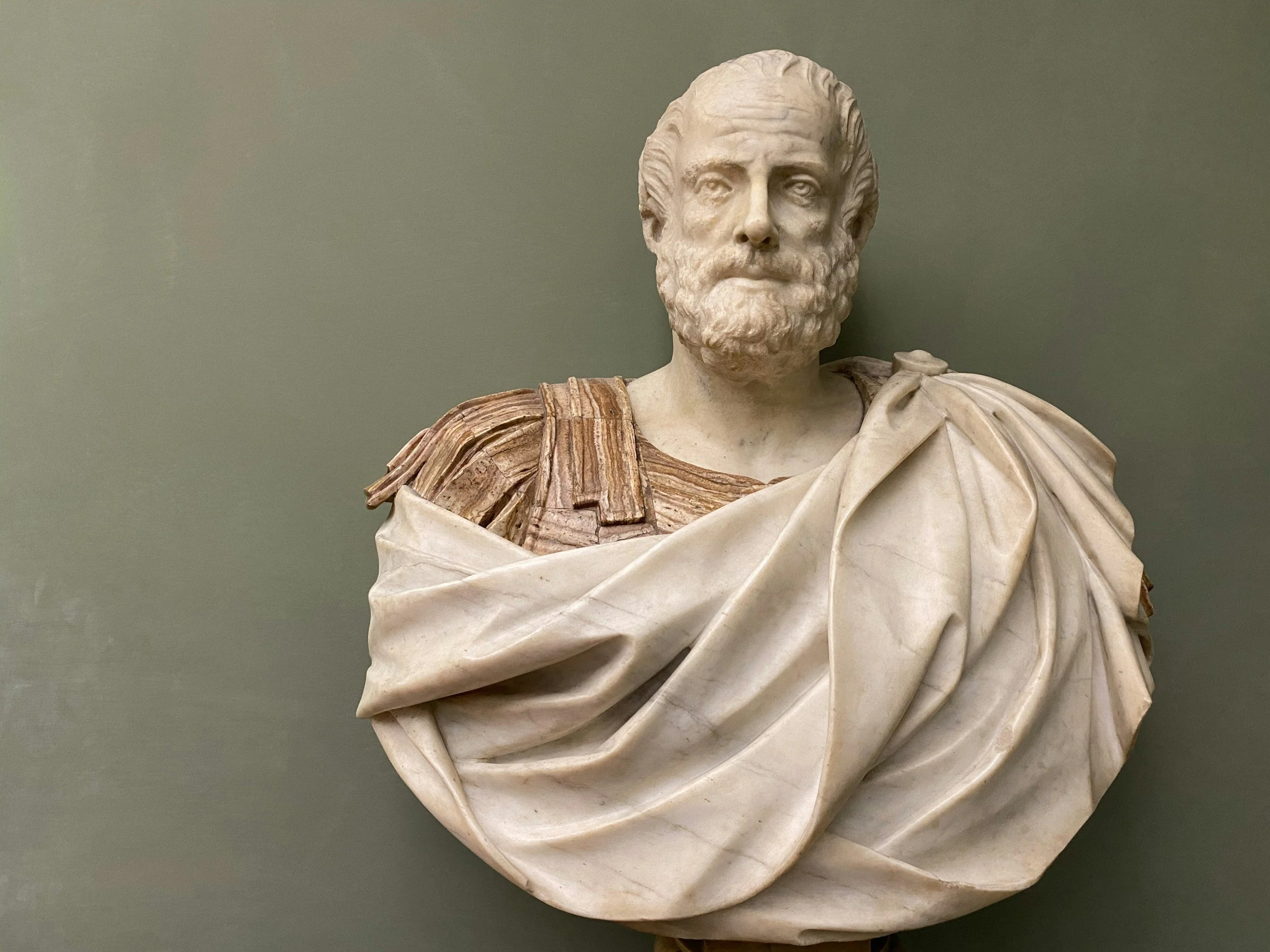
How to Persuade Like Aristotle in Sales and Negotiation
Learn how to persuade like Aristotle using ethos, pathos, logos, strategic questions, body language, and self-persuasion in sales and negotiation.

Enthymeme: The Hidden Psychology of Persuasion and Influence
The strongest persuasion doesn't happen when you make a better argument. It happens when the other person believes they arrived at the conclusion themselves. Aristotle called this the enthymeme—an argument that intentionally leaves part of the reasoning unstated, allowing the listener's mind to fill in the missing piece. In sales, negotiation, and influence, this simple shift can dramatically reduce resistance because people are far more committed to ideas they believe they discovered than ideas that were handed to them. The most persuasive conclusion isn't always the one you say—it's the one they create.

The Reid Technique: How Authority Makes People Fold
Why do people comply with authority—even when every instinct tells them not to? The Reid Technique offers a chilling look at how pressure, certainty, and identity can shape human behavior. In this article, we break down what it is, how it works, and what it reveals about persuasion, body language, and the psychology of compliance.

Odysseus and Persuasion: When Influence Hijacks the Mind
After seeing The Odyssey this past week, I could not stop thinking about what Odysseus reveals about persuasion and influence. From resisting the Sirens to outsmarting the Cyclops, his victories—and failures—show how perception, self-control, and hidden psychological forces shape human behavior.

The Prospect Just Blinked Twice: Socratic Listening and the Hidden Conversation Beneath the Sale
Excerpt
Most salespeople listen for objections. The best ones listen for the hidden belief underneath them. Socratic Listening helps sales professionals read hesitation, uncover the real concern, and guide prospects toward the truth without triggering resistance.

KUBARK Personality Traits: The Hidden Patterns People Reveal
The KUBARK personality traits reveal a powerful influence lesson: people do not resist for the same reasons. Some need clarity, some need reassurance, some need boundaries, and some need space. When you understand the pattern behind someone’s resistance, you can stop pushing harder and start communicating smarter.

The Lie Detector Most People Think They Have Does Not Exist
There is no single cue that proves someone is lying. Real deception detection starts with establishing a baseline, then watching for meaningful changes in body language, facial expressions, voice, timing, and word choice. This article explains how to spot behavioral shifts without jumping to conclusions.

Pattern Interrupt: Break the Script or Be Ignored
Most people are not ignoring you because your message is weak. They are ignoring you because their brain already thinks it knows what comes next. This article breaks down how pattern interrupts work in persuasion, sales, influence, marketing, body language, and human behavior — and why breaking the script can get attention back.

The Most American Skill Is Knowing When You’re Being Influenced
This Fourth of July, the real question isn’t just whether you’re free — it’s whether you can recognize when your mind is being moved. This article explores persuasion, influence, body language, nonverbal communication, and the hidden forces that shape human behavior before we even realize it.

Ellen Langer’s Copy Machine Study: The Power of “Because”
One word changed how likely people were to comply: because. The Ellen Langer “because” experiment reveals why justification matters in persuasion, influence, sales, communication, and human behavior — and why people are more likely to say yes when a request feels reasonable.

The Solomon Asch Experiment Proved Conformity Can Make People Deny Reality
What happens when everyone else gives the wrong answer, but you can clearly see the truth? The Solomon Asch line experiment reveals how conformity, social proof, persuasion, body language, and group pressure can make people doubt themselves just to avoid standing alone.

Milgram Experiment: The Shocks Were Fake. Obedience Wasn’t.
A man in a lab coat calmly told them to continue — and ordinary people obeyed. This article breaks down what the Milgram experiment reveals about authority, persuasion, compliance, body language, and why people often follow perceived authority faster than they trust themselves.

Buyer Psychology Signals in B2B Sales: Read the Room Fast
This guide shows B2B sales teams how to read buyer psychology signals in real time and respond before objections harden. You will learn core principles like loss aversion and cognitive dissonance, how to decode nonverbal and verbal cues, and how to adjust pacing, framing, and proof in the room. Use the checklists, Zoom and in-person drills, and objection de-pressurizers to drive clearer decisions.

Pressure Kills the Truth: The Scharff Technique for Sales
Most salespeople ask too many direct questions and trigger resistance without realizing it. This article breaks down how Hans Scharff’s low-pressure interrogation method applies to modern sales training, body language, rapport, persuasion, and uncovering the real objection in a prospect conversation.